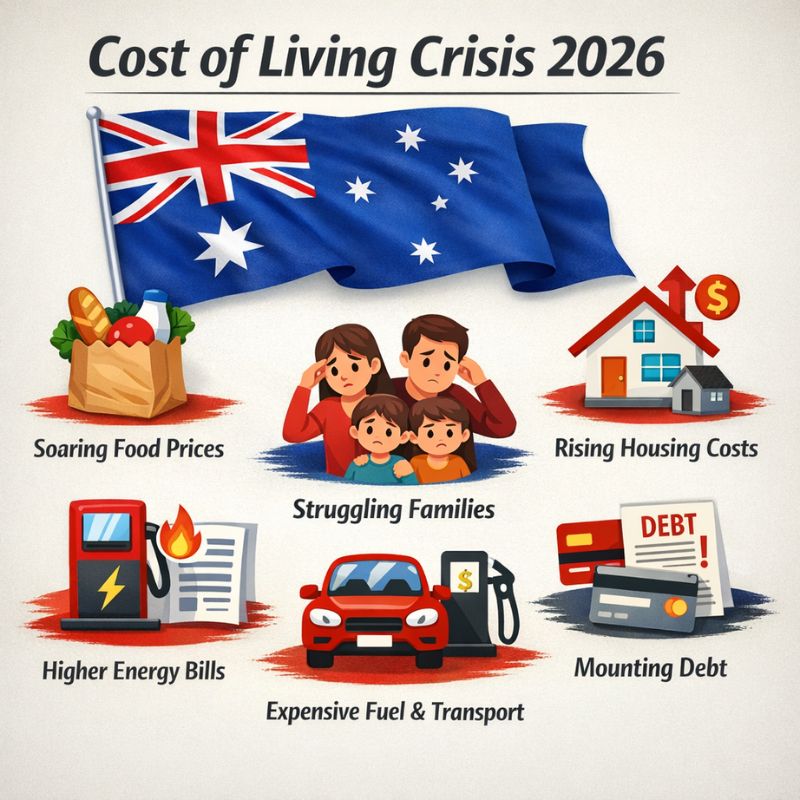
Australia faces a growing cost-of-living crisis as families nationwide deal with new financial strain. Essential goods and services are becoming more expensive in 2026 and household budgets are under pressure. This problem particularly affects low- & middle-income families across the country. Rising costs combined with wages that remain flat have created difficult conditions for many Australians. This article examines how the crisis is developing & its impact on Australian families. The price increases touch nearly every aspect of daily life. Groceries cost more at supermarkets while utility bills continue climbing.
Rising Prices Driving Australia’s Cost-of-Living Crisis
The cost of living in Australia has increased significantly in 2026 with essential areas like food, housing and energy being hit the hardest. Families are experiencing pressure from rising inflation rates that have pushed everyday expenses much higher. Groceries energy bills and rent are the main factors creating financial difficulties for households. The government has tried to address the problem but prices continue to rise without showing signs of improvement. This increase in costs has made it difficult for many Australians to manage their household budgets effectively.
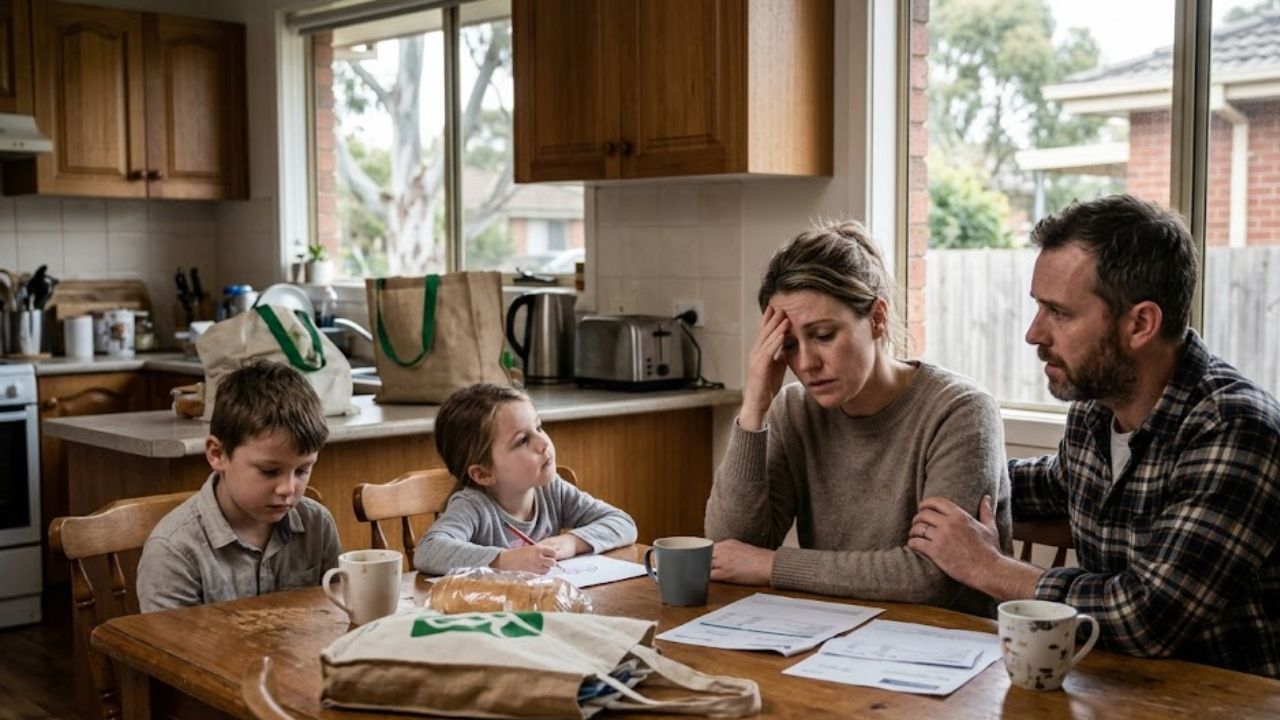
Housing Market Challenges: Rent and Mortgage Stress
The Australian housing market continues to deteriorate as both rental prices and mortgage costs climb to record levels. Strong housing demand persists while numerous families struggle with escalating rent payments. Homeowners simultaneously face larger mortgage bills because interest rates keep rising. This combined pressure from rent & mortgage expenses places considerable strain on households already managing limited finances. The persistent housing crisis further intensifies the broader cost-of-living challenges affecting Australians nationwide.
 Centrelink Alert 2026: Thousands at Risk of Payment Suspension as New Compliance Checks Begin Today
Wage Stagnation and Economic Inequality
While prices keep going up wages in Australia have barely moved. This creates a bigger gap between what people earn and what they need to spend. Workers are struggling to match rising costs, especially those in lower-paid jobs or juggling several part-time roles. Economic inequality is getting more obvious as the cost-of-living crisis gets worse. Many Australians feel stuck in ongoing financial trouble. Government support programs have not done enough to fix these problems. Families are finding it hard to cover their basic expenses.
 Centrelink Payment Increase 2026 Confirmed: New Fortnightly Pension And Carer Rates Introduced
Summary of Australia’s Cost-of-Living Crisis
The cost-of-living crisis in Australia continues to worsen as families struggle with rising expenses and wages that barely move. Housing costs keep climbing and grocery prices show no signs of slowing down. These increases are putting real strain on household budgets across the country. The government has introduced some measures to address the problem but many families still find themselves under serious financial pressure. High inflation remains a persistent issue while the housing market stays difficult to navigate. Wages have not kept pace with these rising costs. This combination of factors has created a challenging environment for Australian households. Many people are finding it harder to make ends meet each month. The situation appears likely to continue for the foreseeable future with no quick solutions on the horizon. Families are having to make tough choices about their spending priorities. Essential costs like rent and food are taking up larger portions of household income. This leaves less money available for other needs and savings. The financial stress is affecting Australians from different backgrounds and income levels.
| Cost Area | Impact on Families |
|---|---|
| Groceries | Significant increase in prices |
| Energy Bills | Higher electricity and gas costs |
| Housing | Rent and mortgage rates soar |
| Wages | Stagnant income growth |
Frequently Asked Questions (FAQs)
1. What is causing the cost-of-living crisis in Australia?
The crisis is driven by rising prices in essential goods, housing, and energy, combined with stagnant wages.
 Centrelink Compliance Changes 2026: New Monitoring Rules Could Impact Payments For Recipients
2. How is the housing market affecting Australian families?
The housing market’s soaring rent and mortgage costs are placing significant financial strain on families.
3. Why are wages not keeping up with inflation?
Wages have remained stagnant, while the cost of living continues to rise, exacerbating financial inequality.

4. What is the government doing to address the crisis?
The government has introduced some support measures, but they have been insufficient in alleviating the pressure on families.