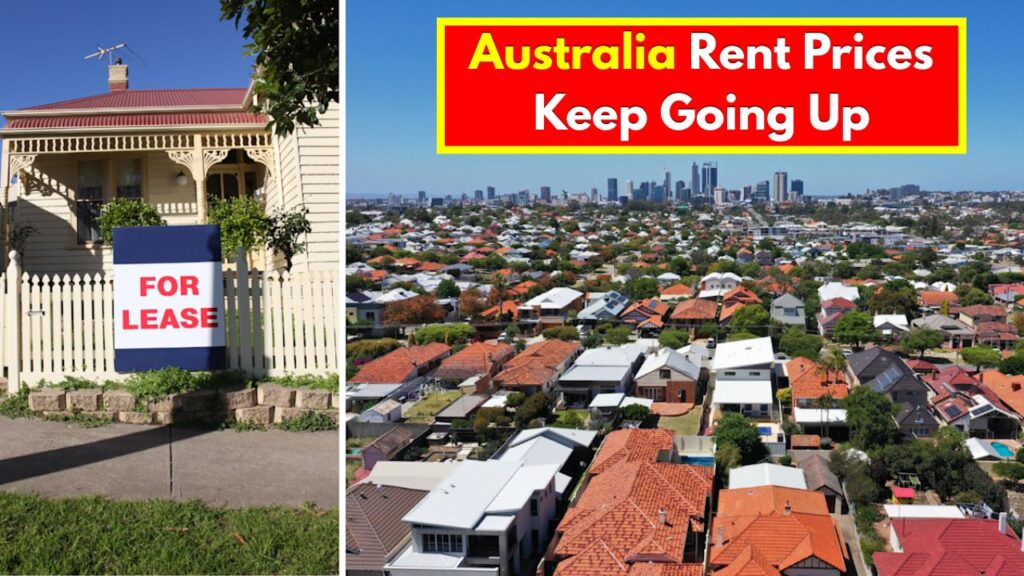
The rental crisis in Australia has reached unprecedented levels in 2026, causing frustration among tenants and uncertainty for prospective renters. With demand for properties soaring and supply at an all-time low, rent prices continue to rise rapidly across major cities and rural areas. This article delves into the key reasons behind the surge in rental prices and what tenants can expect in the near future in Australia. The ongoing crisis has left many wondering about the future of housing and how long these trends will continue.
The Impact of Supply Shortage on Australian Rent Prices
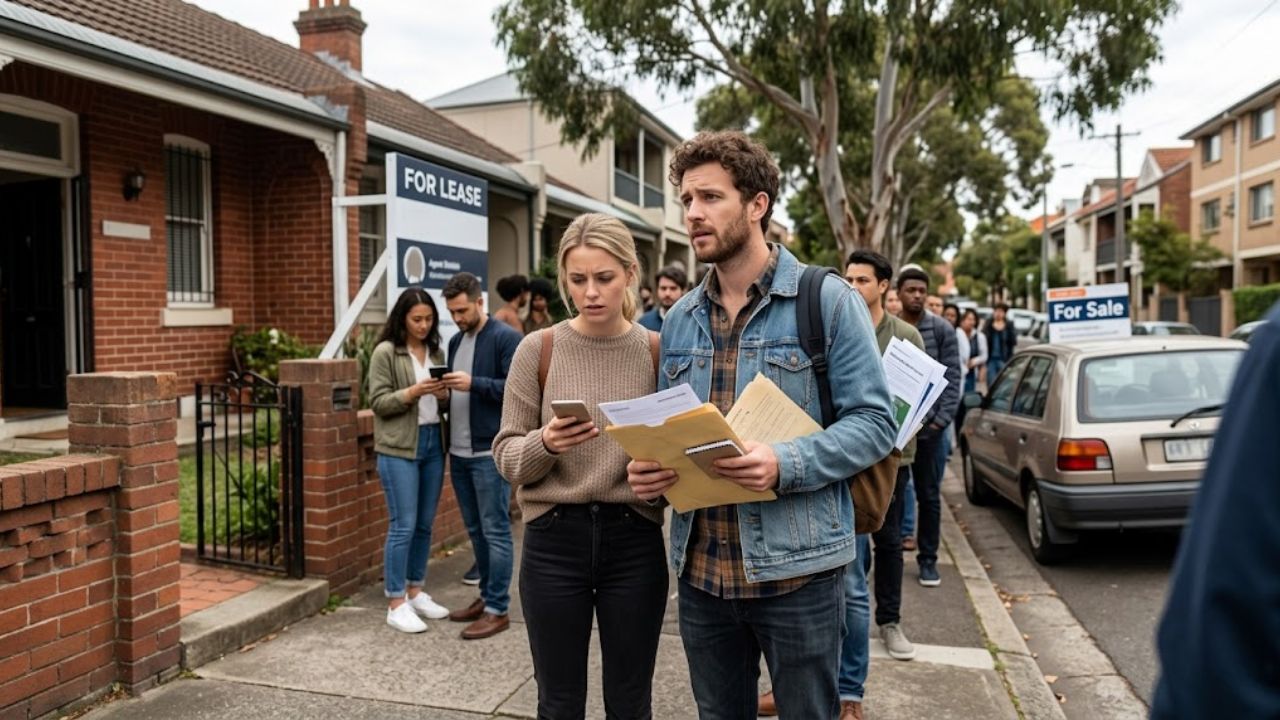
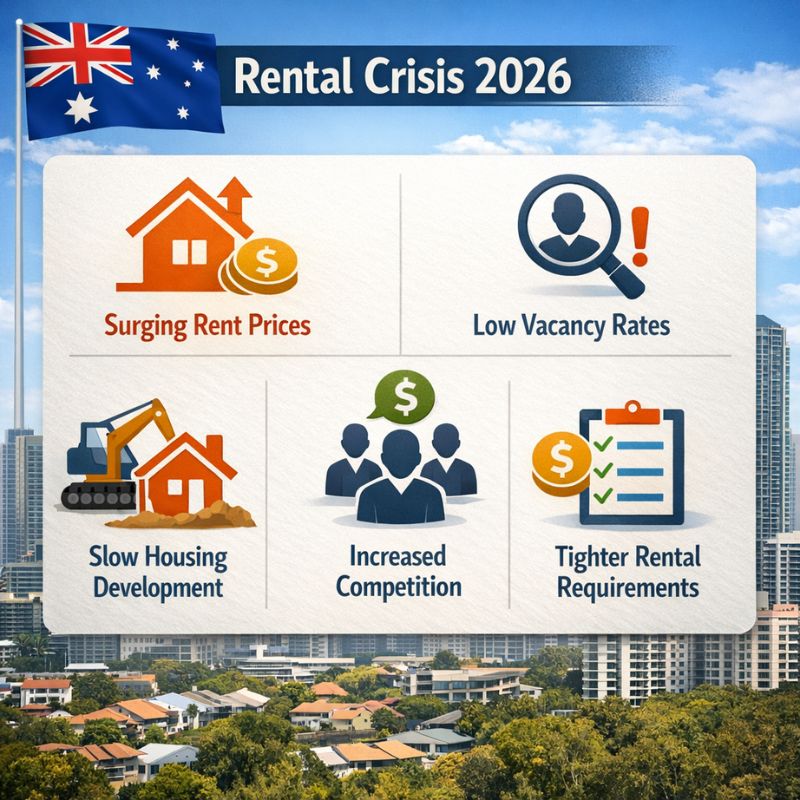
In 2026, one of the biggest contributors to the rental crisis in Australia is the shortage of housing supply. The number of rental properties available has dramatically decreased, leading to fierce competition among renters. As a result, landlords are increasing rental prices to capitalize on the high demand. With construction delays and limited land availability in urban centres, the imbalance between supply and demand shows no signs of improving. This shortage has left renters with fewer options and higher prices, creating a stressful housing market for many Australians.
Inflation and Economic Pressures on Rent Rates
Australia’s rental prices are also being influenced by economic inflation in 2026. Rising costs of living, including energy and food prices, have made it more expensive for property owners to maintain their buildings. Consequently, these increased operational costs are passed down to renters through higher rent rates. Economic pressure is squeezing both tenants and landlords, with tenants bearing the brunt of these rising costs. As inflation continues to rise, experts predict that rent prices will follow suit, making it harder for many individuals and families to afford housing.
 Fuel Price Update Australia 2026: Petrol Cost Trends, Future Forecast and Ways to Save Money
Government Policies and Rent Control Challenges
Despite ongoing efforts to tackle the rental crisis, government policies in Australia have not yet provided a lasting solution. Rent control measures, though discussed in policy circles, have faced significant challenges in implementation. Restrictions on rent hikes in certain regions have not been sufficient to counterbalance the increasing demand for properties. With little regulation to curb rising prices, tenants are left vulnerable to market fluctuations, facing continuous rent increases without adequate protections. This lack of strong government intervention contributes to the unpredictability of the housing market.

Summary and Future Outlook
The Australian rental market in 2026 is marked by a combination of high demand, limited supply, economic pressures, and inadequate government intervention. As rental prices continue to rise, tenants can expect to see ongoing challenges in securing affordable housing. While efforts to address the crisis are underway, there are few immediate signs of relief. Until supply catches up with demand and effective policies are put in place, the rental market will likely remain challenging for the average Australian.
| Factor | Impact |
|---|---|
| Supply Shortage | Leads to increased rent prices and competition |
| Economic Inflation | Higher operational costs for landlords, passed onto renters |
| Government Policies | Limited impact on curbing rental price hikes |
| Rent Control Measures | Have faced challenges in being effectively implemented |
Frequently Asked Questions (FAQs)
1. What is causing the rental crisis in Australia?
The rental crisis is caused by a shortage of housing supply, economic inflation, and rising demand for properties.
 Australia Age Pension Update April 2026: Revised Payment Rates And Eligibility Rules Introduced
2. How long will the rental crisis last?
The rental crisis may continue until the supply of housing increases to meet demand.
3. Are there any government policies to control rent prices?
Yes, but current rent control measures have not been effective in curbing rent increases.

4. How can tenants cope with rising rent prices?
Tenants can explore more affordable areas, negotiate with landlords, or seek government assistance programs.