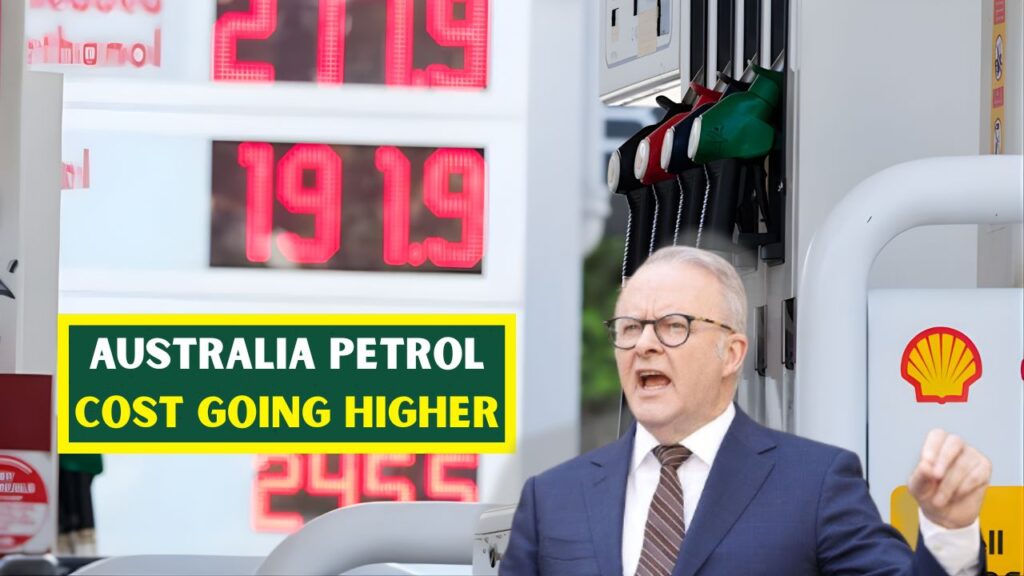
Fuel prices in Australia have been a major concern for households and businesses alike. As petrol costs continue to fluctuate, understanding these trends and the future forecast becomes crucial. This article explores the current state of petrol prices in Australia, the factors that drive changes, and tips on how to save money at the pump in 2026.
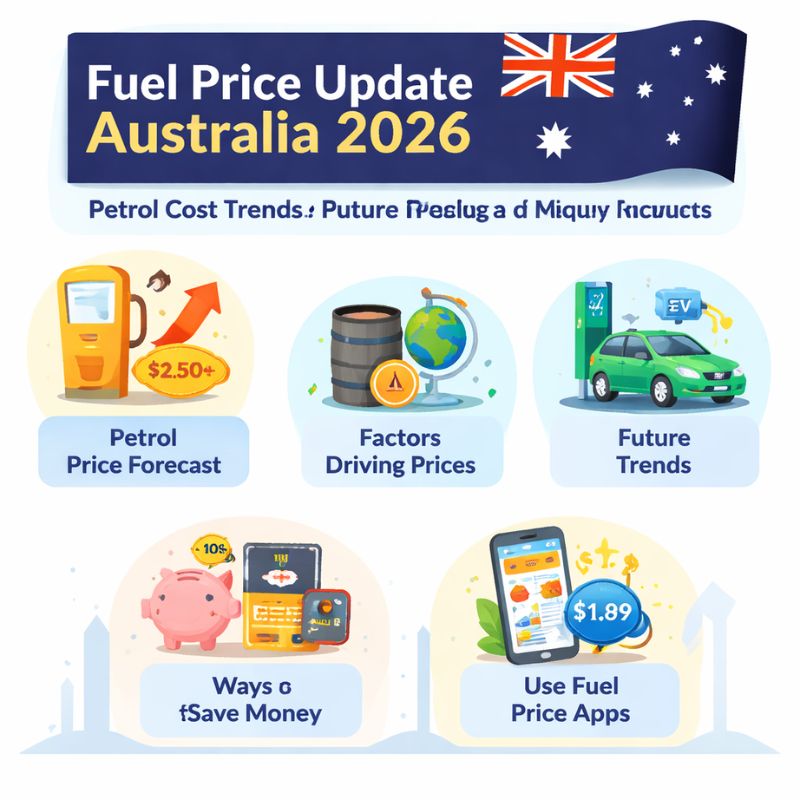
Petrol Cost Trends in Australia 2026
The petrol prices in Australia have seen significant fluctuations over the years, with trends largely driven by global oil prices and local factors. In 2026, the cost of petrol is expected to continue rising due to global oil market instability and currency exchange impacts. While the Australian dollar’s performance can influence import costs, it’s the ongoing geopolitical tensions and oil production limits that are predicted to keep prices high. Australian consumers can expect gradual increases unless substantial changes in production or market dynamics occur.
Factors Driving Petrol Prices in Australia
Petrol prices in Australia are influenced by several key factors, including global oil production levels, refining costs, and local tax policies. Global production cuts by major oil-producing countries like OPEC often lead to a rise in petrol prices worldwide, including Australia. Additionally, Australia’s own refining capacity and transport infrastructure can cause local price fluctuations. With the government reviewing fuel excise duties, future policy decisions could also play a role in adjusting fuel costs. Understanding these factors can help Australian drivers anticipate price hikes and plan accordingly.

How to Save Money on Petrol in Australia
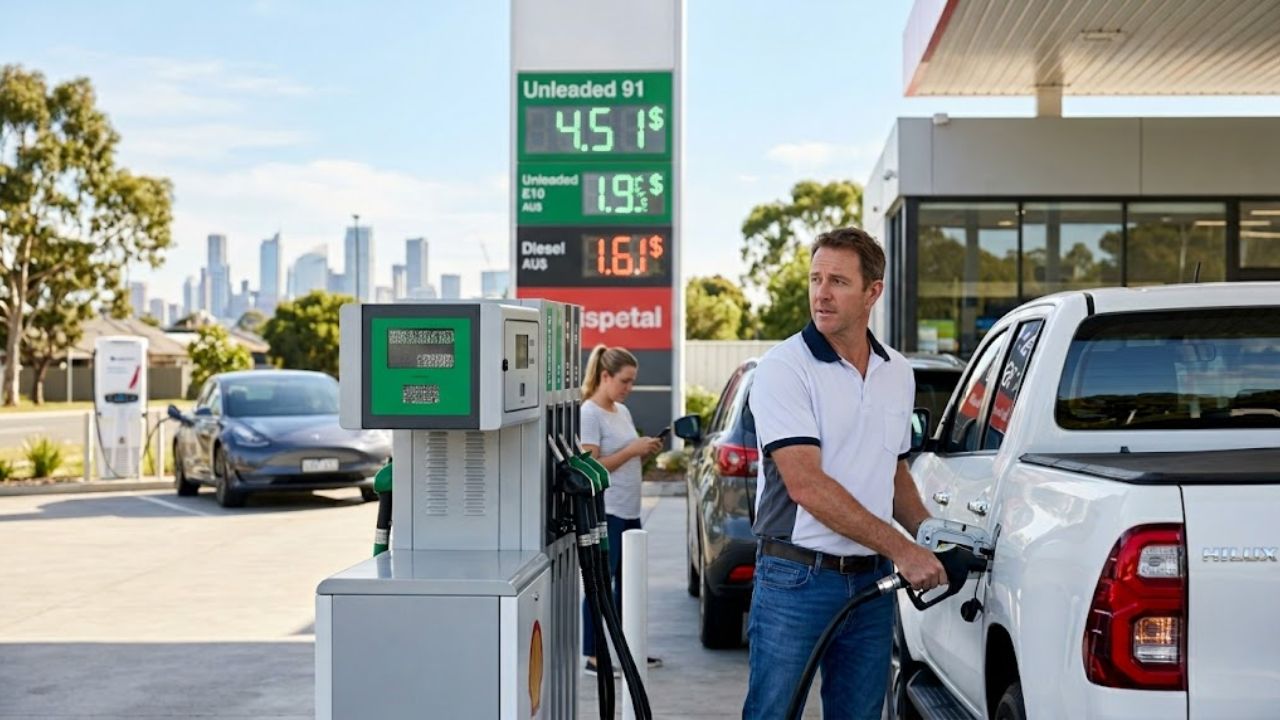
Saving money on petrol in Australia is more important than ever. Drivers can adopt strategies like shopping around for cheaper prices, using fuel loyalty programs, and maintaining vehicle efficiency to reduce fuel consumption. Petrol stations vary in prices, so using apps or websites to compare rates can help. Additionally, regular vehicle maintenance, such as keeping tires properly inflated and reducing weight in the car, can improve fuel efficiency and lower overall fuel expenses.

Summary or Analysis
As petrol prices in Australia are expected to continue rising in 2026, understanding the key drivers of these changes is crucial. Geopolitical issues, supply chain disruptions, and refining costs are all contributing factors. While these factors remain largely out of consumers’ control, adopting smart strategies like comparison shopping, using loyalty programs, and maintaining fuel-efficient vehicles can help mitigate the impact of rising fuel costs.
| Factor | Impact on Petrol Prices |
|---|---|
| Global Oil Production | Higher prices due to production cuts |
| Refining Costs | Increases in costs lead to higher petrol prices |
| Currency Exchange Rates | Weakened AUD increases import costs |
| Government Policy | Changes in fuel excise duties can affect prices |
Frequently Asked Questions (FAQs)
1. What causes petrol prices to rise?
Global oil supply disruptions and local tax policies.
 Australia Age Pension Update April 2026: Revised Payment Rates And Eligibility Rules Introduced
2. How can I find cheaper petrol?
Use apps or websites to compare prices.
3. Does maintaining my car save fuel?
Yes, regular maintenance improves fuel efficiency.

4. Will petrol prices fall in 2026?
It depends on global oil market dynamics.