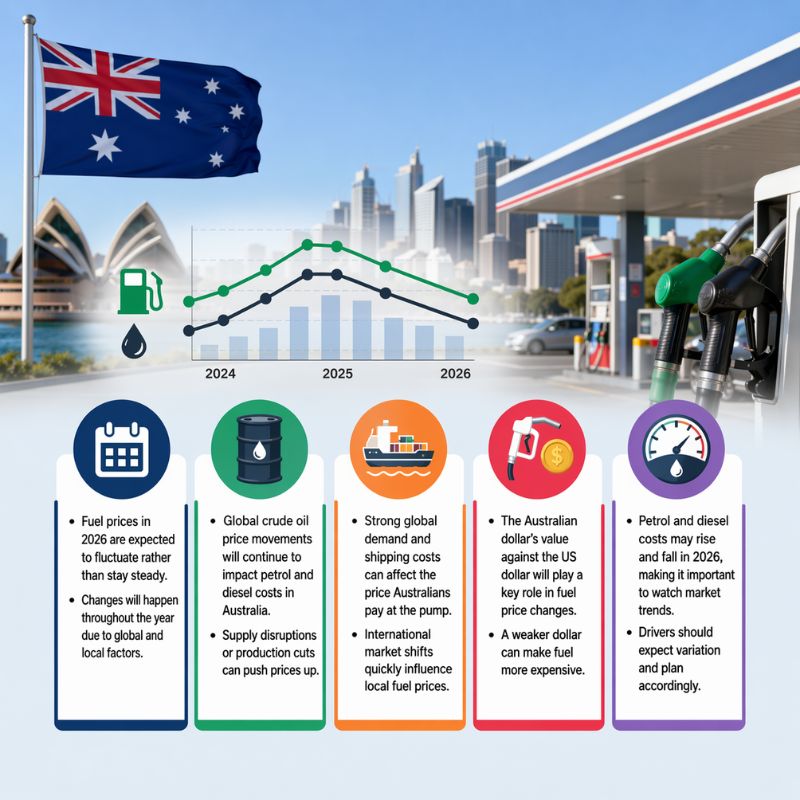
Fuel Prices in Australia During 2026 In 2026 fuel prices across Australia are changing frequently because of shifts in the global market that affect what people pay for petrol and diesel. Energy demand keeps changing around the world and Australian drivers are noticing higher costs when they fill up their tanks. These price movements matter for everyday drivers and for businesses that depend on vehicles & transportation. This article looks at why fuel prices are moving the way they are in Australia and how these changes affect households and what might happen next.
Global Market Trends Affecting Australian Fuel Prices
The global energy market has a major impact on what Australians pay for fuel. When worldwide demand for crude oil goes up or down fuel prices change because of production cuts, political conflicts, and problems with supply chains. In 2026, Australia is seeing unstable prices because major oil-exporting countries have changed how much they produce. A large rise in global oil prices has made petrol and diesel more expensive at local fuel stations. The relationship between supply & demand along with international market forces, makes it hard to know what prices will do in the future.
Impact of Domestic Policies on Fuel Costs
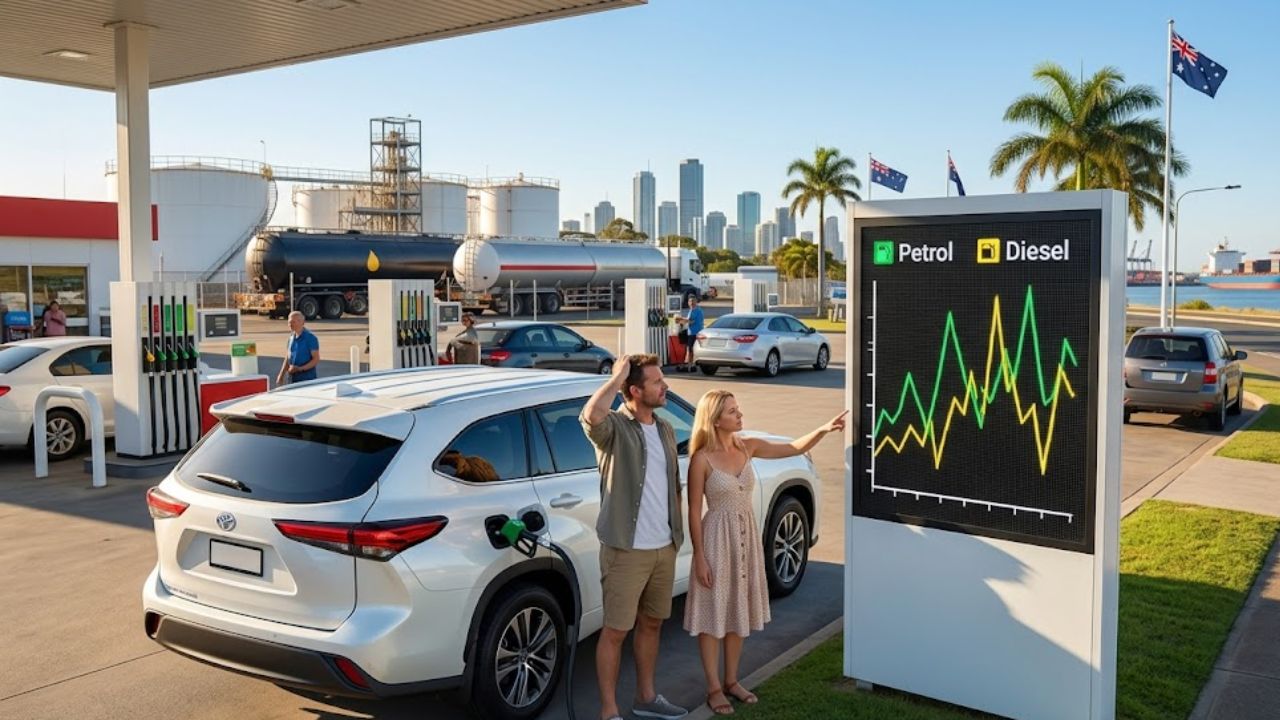
Along with worldwide influences, local government decisions play a role in determining fuel prices across Australia. Taxes imposed by authorities and rules governing fuel imports and production can make prices go up or down for everyday consumers. Carbon pricing schemes & environmental standards frequently push costs higher. Australia imports most of its crude oil, which means that changes in currency values and trade deals can cause fuel prices to shift noticeably. With fuel costs continuing to climb Australian drivers should keep track of government programs designed to reduce the financial pressure of expensive fuel.

Consumer Behaviour and Fuel Price Sensitivity
Australian consumers are paying closer attention to fuel prices & changing how they respond to them. When fuel costs go up people are switching to vehicles that use less fuel and exploring other ways to get around such as electric cars. More Australians want hybrid and electric vehicles because they care about the environment and want to spend less money on fuel over time. Drivers are also using price comparison apps and looking for local fuel discounts to help manage their budgets as fuel becomes more expensive. Since higher prices seem likely to stay these changes in consumer habits will probably influence how the market develops in the future.
 Centrelink Payment Dates April 2026: Schedule Released for Pension, JobSeeker and Youth Allowance
Summary or Analysis
The fluctuating fuel prices in Australia are influenced by both global market shifts and domestic factors. As crude oil prices rise and government policies evolve, consumers face ongoing challenges at the pump. While price increases are expected to continue, Australians are adapting by exploring more fuel-efficient options and leveraging technology to find better deals. The outlook for fuel prices remains uncertain, but understanding these factors can help individuals and businesses plan for future costs more effectively.
| Factor | Impact on Fuel Prices |
|---|---|
| Global Oil Production | Higher prices due to reduced supply |
| Geopolitical Tensions | Potential price spikes from instability |
| Exchange Rate Changes | Increased cost of imports |
| Carbon Tax Policies | Rising costs for consumers |
Frequently Asked Questions (FAQs)
1. Why are fuel prices fluctuating in 2026?
Fuel prices fluctuate due to global oil market shifts, supply disruptions, and domestic policies in Australia.

2. How do government policies affect fuel prices?
Government taxes, subsidies, and environmental regulations can either raise or lower fuel costs.
3. Are electric cars a good alternative to rising fuel prices?
Electric cars provide long-term savings by reducing dependency on costly fossil fuels.
 Superannuation Update 2026: Contribution Limits and Tax Settings Remain Key Focus for Workers
4. How can consumers reduce the impact of high fuel prices?
Consumers can use price comparison apps, drive fuel-efficient vehicles, and seek out discounts to manage costs.