
Australia is experiencing a major grocery price surge in 2026 that is putting pressure on household budgets nationwide. The cost of everything from fresh produce to basic pantry staples is climbing steadily and creating real financial stress for families and individuals. This increase stems from several interconnected issues including supply chain problems and climate-related disruptions along with broader global economic pressures. Shoppers are responding by adjusting their purchasing patterns and looking for ways to stretch their dollars further as these price increases reshape the Australian grocery market.
How the 2026 Price Surge is Changing Shopping Behavior
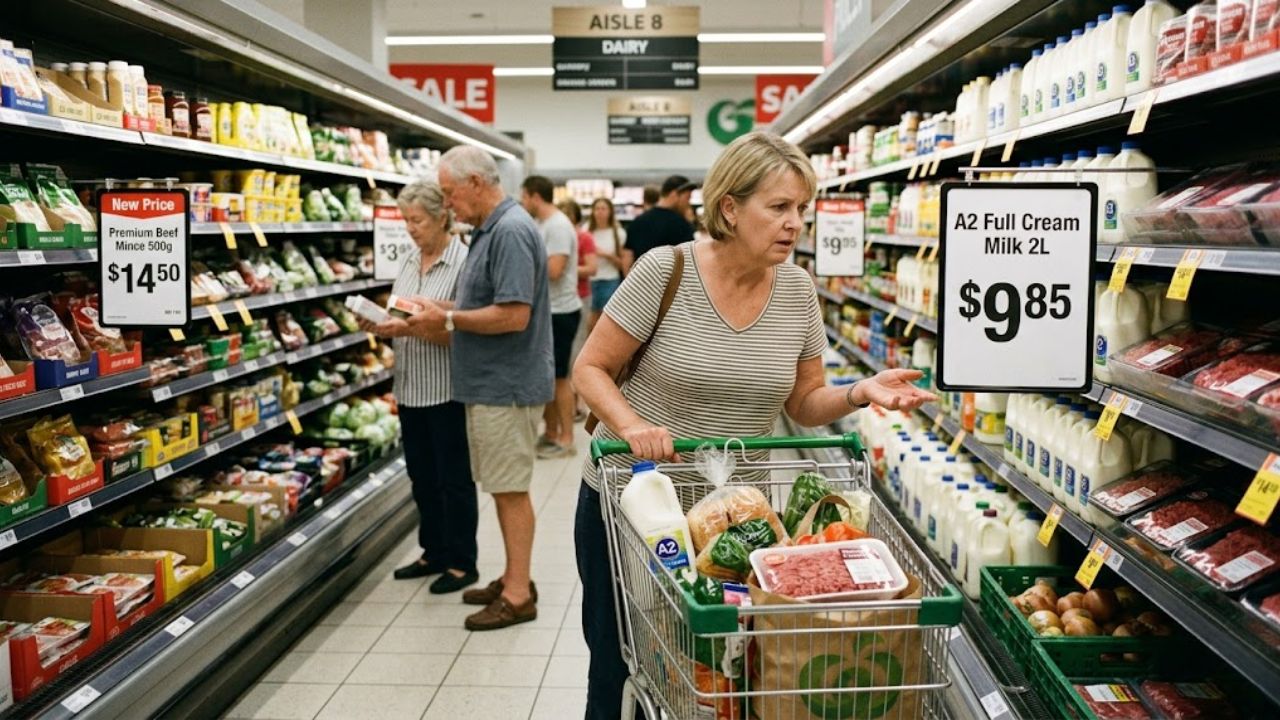
The grocery price surge in Australia during 2026 is fundamentally changing how people approach food shopping. Consumers are eliminating non-essential purchases and concentrating their spending on basic necessities to keep their budgets under control. The cost of fruits and vegetables & dairy products has pushed weekly grocery expenses noticeably higher than in previous years. More shoppers are choosing discount supermarkets and spending time comparing prices between stores. Families are also using meal planning techniques to minimize food waste and reduce spending. These changes demonstrate how significantly the price surge is affecting daily routines & forcing Australians to prioritize affordability in their food choices.
What is Driving Food Costs Higher in Australia
Multiple factors are contributing to the sharp grocery price increases across Australia in 2026. Supply chain disruptions have created delays and pushed up transportation expenses significantly. Climate events including droughts & flooding have damaged agricultural production and reduced the amount of crops available. Global inflation combined with rising fuel costs has made imported food items more expensive. Retailers are transferring these additional costs to shoppers through higher shelf prices. These overlapping challenges have created conditions that make it difficult to bring grocery prices back down in the short term.

Strategies Australians are Using to Handle Higher Prices
Australian shoppers are developing practical approaches to deal with the grocery price surge. Many people are choosing store brand products instead of name brand items to save money. Bulk purchasing has become more popular as a way to reduce per-unit costs over time. Digital coupon applications and store loyalty programs are seeing increased usage as shoppers look for savings opportunities. Some households are visiting local farmers markets to find fresh produce at competitive prices. These adaptive strategies show how quickly consumers are learning to be more deliberate about their spending while still meeting their household food requirements.

Understanding the Broader Picture of Grocery Price Trends
The grocery price surge in Australia represents larger economic issues that will take time to resolve. Short-term approaches like promotional discounts & careful budgeting provide some relief but lasting price stability requires addressing fundamental supply chain weaknesses and implementing supportive economic policies. The situation emphasizes the need for sustainable agricultural methods that can better withstand climate variability. Moving forward will require cooperation between consumers and businesses and government to maintain reasonable food prices. Ensuring that essential groceries remain accessible will depend on coordinated efforts across the entire food system.
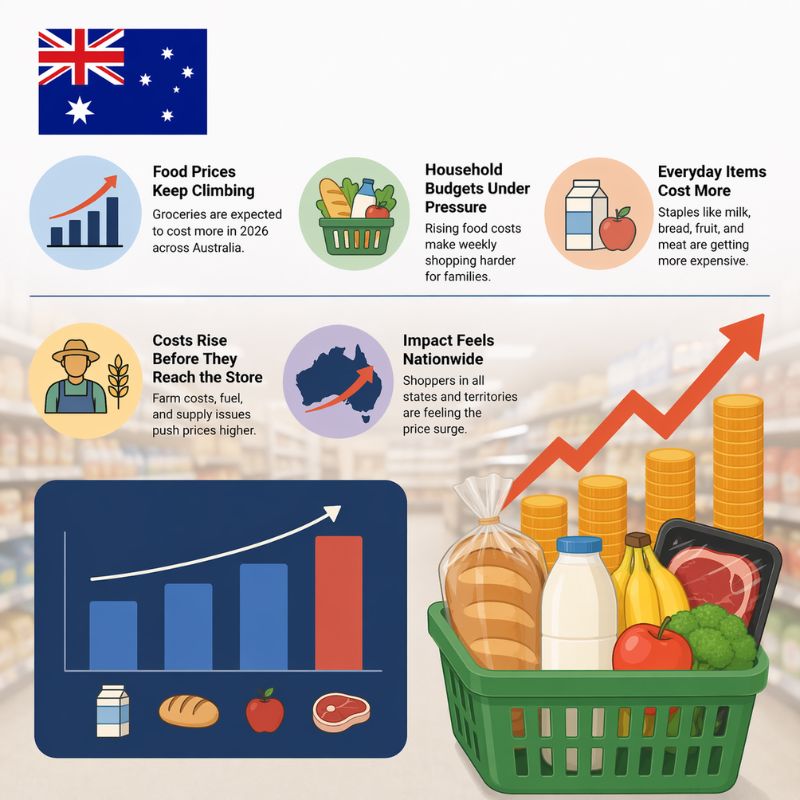
| Category | Increase | Reason |
|---|---|---|
| Fresh Vegetables | 15% | driven by climate impact |
| Dairy Products | 12% | due to production costs |
| Meat & Poultry | 10% | from feed expenses |
| Packaged Goods | 8% | related to import costs |
| Grains & Bread | 9% | caused by supply shortages |
Common Questions About Grocery Prices
1. What is causing grocery prices to rise in Australia in 2026?
The increases result from supply chain disruptions and climate-related agricultural impacts combined with global inflation pressures.

2. Which grocery items have increased the most?
Fresh vegetables and dairy products and meat are experiencing the largest price jumps.
3. How are people dealing with higher grocery costs?
Shoppers are switching to budget brands and purchasing larger quantities and taking advantage of available discounts.
 Centrelink Payment Dates April 2026: Full List of Pension, JobSeeker and Youth Allowance Deposits
4. Will prices come back down anytime soon?
Some stabilization may occur eventually but significant price drops are unlikely in the near future given current economic conditions.