
Australia is facing a significant energy price shock in 2026, with electricity bills climbing sharply and placing increasing pressure on households across the country. Rising wholesale costs, infrastructure challenges, and global market influences have combined to create a difficult situation for many families trying to manage their monthly expenses. As living costs continue to rise, energy affordability has become a major concern, especially for low- and middle-income households struggling to cope with unpredictable utility charges and limited relief options.
Australia Energy Price Surge 2026 Impact on Households
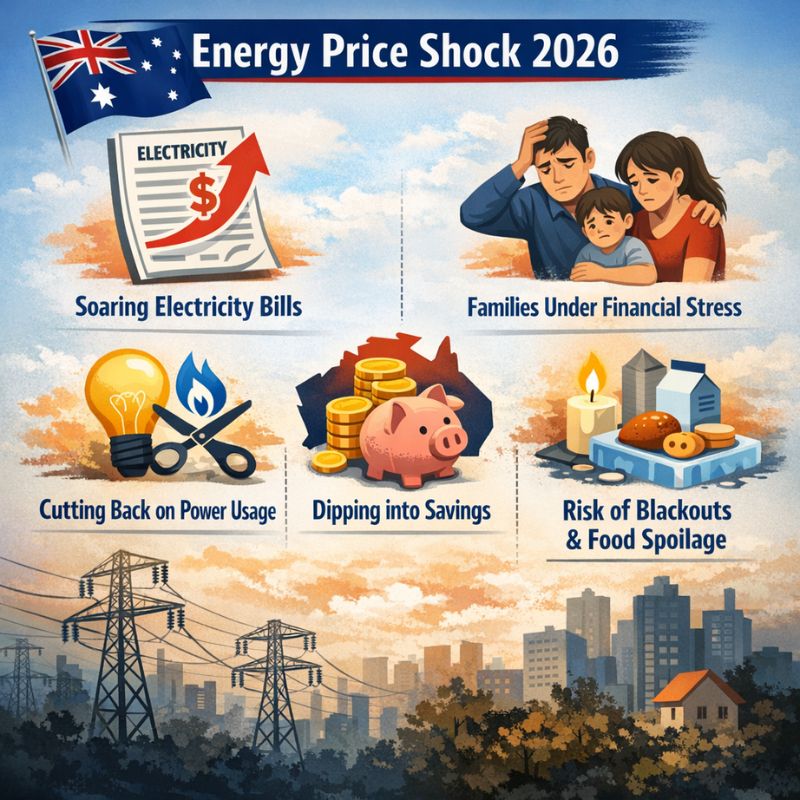
The energy price surge in Australia has hit households hard, with many reporting a noticeable spike in monthly bills. Factors like rising wholesale rates, grid maintenance costs, and fuel supply pressures have contributed to the increase. Families are now forced to adjust budgets, often cutting back on essentials to accommodate higher utility expenses. The burden is particularly severe for renters and pensioners who have less flexibility in managing consumption. While energy providers cite unavoidable cost drivers, consumers are left dealing with the reality of higher payments and financial uncertainty.
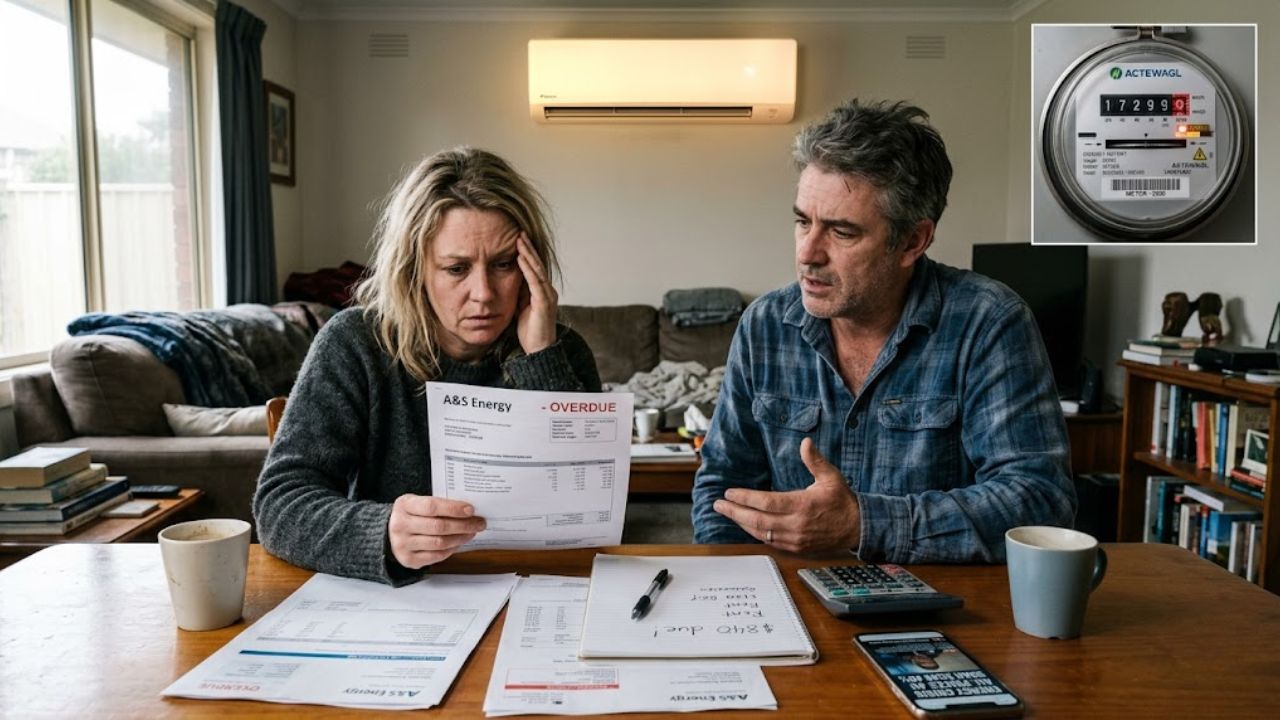
Electricity Bills Rising in Australia: Causes Behind the Crisis
Several key drivers are fuelling the rise in electricity bills across Australia. The transition to renewable energy, while necessary, has introduced short term disruptions and infrastructure upgrade delays. Additionally, fluctuating global fuel prices and energy market volatility have made costs unpredictable. Weather conditions also play a role, increasing demand during extreme seasons. Experts note that while long-term sustainability goals are important, the current system struggles to balance affordability and reliability, leaving consumers caught in the middle of a complex and evolving energy landscape.

How Australians Are Coping with Energy Cost Increases
As electricity prices continue to rise, Australians are adopting various strategies to manage their energy costs. Many households are turning to energy saving habits, such as reducing appliance usage and switching to efficient lighting. Others are exploring solar panel installation to reduce reliance on grid electricity. Government rebates and financial assistance programs have provided some relief, but not enough to offset rising bills entirely. Consumers are also becoming more aware of their usage patterns, using smart meters and apps to monitor consumption and avoid unnecessary expenses.
 Centrelink Payment Dates April 2026: Full List of Pension, JobSeeker and Youth Allowance Deposits
Understanding the Long-Term Energy Outlook in Australia
Looking ahead, Australia’s energy future remains a mix of challenges and opportunities. While current price hikes are difficult, they may accelerate investments in cleaner and more efficient systems. Policymakers are working toward energy transition goals, but must also address affordability concerns in the short term. Improved infrastructure, better storage solutions, and competitive pricing models could help stabilize costs. For households, adapting to changing energy dynamics will be essential, as the balance between sustainability and affordability continues to shape the national energy landscape.
| Factor | Impact on Bills | Consumer Response |
|---|---|---|
| Wholesale Prices | Increased significantly | Reduced energy usage |
| Infrastructure Costs | Gradual rise | Budget adjustments |
| Renewable Transition | Short-term increase | Solar adoption |
| Government Support | Partial relief | Applying for rebates |
| Weather Demand | Seasonal spikes | Usage monitoring |
Frequently Asked Questions (FAQs)
1. Why are electricity bills rising in Australia in 2026?
Electricity bills are rising due to higher wholesale costs, infrastructure upgrades, and global energy market changes.
 Australia Energy Price Increase 2026: Why Electricity Bills Are Rising and How to Reduce Costs
2. Who is most affected by the energy price increase?
Low-income households, renters, and pensioners are the most affected by rising electricity costs.
3. Are there any government supports available?
Yes, rebates and assistance programs are available but may not fully offset increased bills.
 Superannuation Changes 2026: New Contribution Limits, Tax Rules and Impact on Retirement Savings
4. How can households reduce their electricity costs?
Households can reduce costs by saving energy, using efficient appliances, and considering solar power options.